
 ←
←
Milkweed
Asclepias spp.
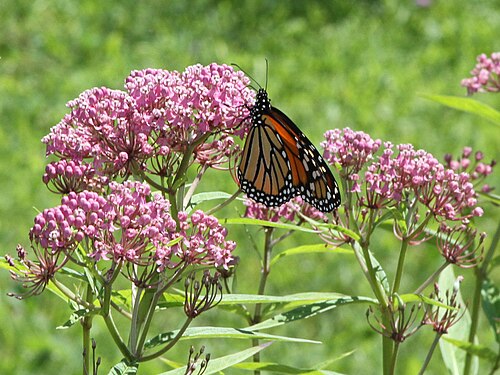
Milkweed (Asclepias spp.) is a highly toxic plant for cats. All parts of the plant, including dried leaves and stems, contain powerful toxins called cardiac glycosides. The highest concentration is found in the plant's milky sap. These toxins directly attack the heart by disrupting the normal electrical signals that control heartbeats. This forces the heart muscle to beat harder but at an abnormal rhythm, which can be very dangerous. The sap can also irritate the digestive system. If a cat eats milkweed or licks the sap, they may vomit, have diarrhea, or act weak and uncoordinated. More severe signs include difficulty breathing, muscle tremors, and irregular heartbeats. Because heart-related poisoning can worsen very quickly, contact a veterinarian immediately if you suspect your cat has been exposed.
Important Notes
Toxic compounds: cardenolide cardiac glycosides in latex sap, leaves, and stems
Mechanism: cardenolides inhibit the Na+/K+-ATPase pump in cardiac muscle cells, causing arrhythmias
Symptoms: drooling, vomiting, weakness, abnormal heart rate, muscle tremors; severe cases may cause seizures and cardiac failure
The milky latex sap is the most concentrated source — avoid contact with broken stems
Seek veterinary care promptly; cardiac glycoside toxicity can escalate rapidly
Potentially Toxic Parts
Sap
All parts of the plant
Possible Symptoms Reported in Cats
Abnormal heart rates and rhythms (including bradycardia, tachycardia, and severe arrhythmias)
Cardiac · Within 2 hours
Vomiting and diarrhea
Gastrointestinal · Within 2 hours
Weakness and unspecified neurological signs
Neurological · Within 2 hours
Breathing difficulties (dyspnea)
Respiratory · Within 2 hours (or developing as the condition worsens).
Organ damage
Renal · Delayed (typically develops as symptoms persist over 4–5 days).
Disclaimer: This summary was compiled from multiple sources and is for informational use only. It is not a diagnosis or treatment plan. Toxicity can vary based on the substance, amount, plant part, and individual cat. If you think your cat may have been exposed to a toxic substance, contact a veterinarian right away.