 ←
←
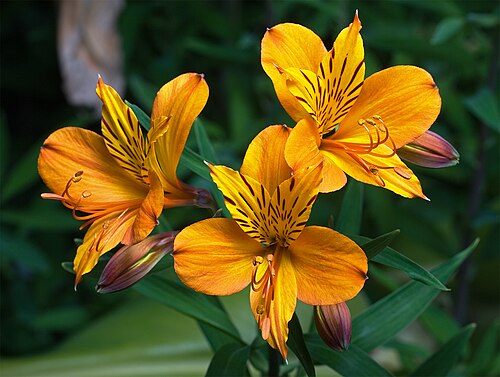
Peruvian Lily
Alstroemeria spp.
Peruvian Lily (Alstroemeria spp.) is a common flower in bouquets that is only mildly irritating to cats. Because it has "lily" in its name, it often causes panic, but it is not a true lily and does not cause dangerous kidney failure like Easter or Tiger lilies do. The plant contains a chemical irritant called tulipalin A (and its precursor tuliposide A) throughout its tissues. If a cat chews on the leaves or stems, this compound can irritate the mouth and upset the stomach. The sap can also cause some redness or itching if it gets directly on the skin (the same compound behind "tulip fingers" in florists). Most cats will only experience minor drooling, vomiting, or diarrhea that goes away on its own. While it is safer than many other plants, it is best to keep bouquets out of reach. Contact a veterinarian if your cat eats a large amount or if their stomach upset does not improve.
Important Notes
Toxic compounds: tulipalin A and its precursor tuliposide A (an irritant glycoside) throughout the plant; not related to the nephrotoxic compounds in true Lilium species
Mechanism: GI irritant; sap contact causes dermatitis through direct tissue irritation
Symptoms: vomiting, diarrhea, drooling; skin or eye contact with sap may cause redness and irritation
No kidney failure risk — a critical difference from Easter and Tiger lilies
Symptoms are mild and self-limiting; contact your vet if ingestion was significant or symptoms persist
Potentially Toxic Parts
All parts of the plant
Possible Symptoms Reported in Cats
Stomach upset (vomiting and/or diarrhea)
Gastrointestinal
Minor signs of oral toxicity or irritation
Gastrointestinal · Immediate to shortly after chewing the plant.
Disclaimer: This summary was compiled from multiple sources and is for informational use only. It is not a diagnosis or treatment plan. Toxicity can vary based on the substance, amount, plant part, and individual cat. If you think your cat may have been exposed to a toxic substance, contact a veterinarian right away.