
 ←
←
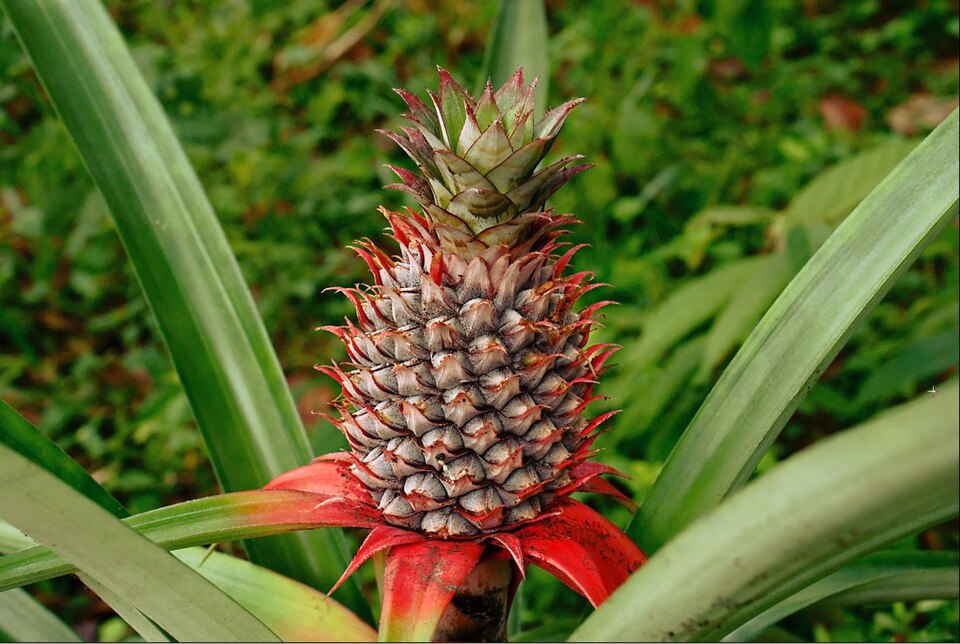
Unripened pineapples
Pineapple
Ripe pineapple flesh is not toxic to cats in very small amounts, but it is high in sugar and not a recommended treat. The main danger comes from unripe pineapple and the pineapple plant itself, including the skin, core, and leaves. These parts are hazardous to cats. The primary concern with unripe pineapple is its high concentration of bromelain, an enzyme that breaks down protein. When a cat eats it, this enzyme can cause significant irritation and pain in the mouth, as well as stomach upset, vomiting, and diarrhea. The tough, fibrous parts of the plant can also be a choking hazard or cause digestive issues. To be safe, only offer your cat a tiny piece of ripe pineapple flesh on rare occasions, if at all. Never allow them to chew on unripe pineapple or any part of the plant. If your cat ingests these parts, monitor them for symptoms and contact your veterinarian for advice, especially if they show signs of oral pain or persistent vomiting.
Important Notes
Bromelain risk: unripe pineapple has high bromelain concentrations — a proteolytic enzyme that causes intense oral irritation and mucosal inflammation
Leaves, skin, and core: contain high bromelain plus insoluble fibres that irritate the GI tract; not appropriate for cats
Ripe flesh: very small amounts are not toxic but are high in sugar; cats lack functional sweet taste receptors so show little interest
Symptoms from unripe parts: oral pain, drooling, vomiting, diarrhea
Do not offer unripe pineapple or plant parts; contact your vet if large amounts were consumed
Potentially Toxic Parts
Seed
Fruit
Peel
Skin
Possible Symptoms Reported in Cats
Vomiting
Gastrointestinal · Shortly after ingestion.
Diarrhea
Gastrointestinal · Shortly after ingestion.
Oral pain and mouth irritation
Gastrointestinal · Shortly after ingestion.
Drooling (hypersalivation)
Gastrointestinal · Shortly after ingestion.
Disclaimer: This summary was compiled from multiple sources and is for informational use only. It is not a diagnosis or treatment plan. Toxicity can vary based on the substance, amount, plant part, and individual cat. If you think your cat may have been exposed to a toxic substance, contact a veterinarian right away.