
 ←
←
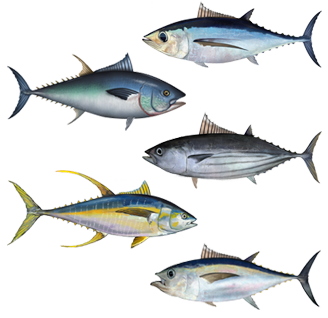
Tuna
Tuna
While many cats love the taste of tuna, it should not be a regular part of their diet. A tiny flake of plain, cooked tuna packed in water is generally safe as a rare treat, but a diet that includes a lot of tuna can lead to serious health problems. Feeding cats raw tuna is especially risky because it contains an enzyme called thiaminase, which destroys thiamine (Vitamin B1), a nutrient essential for a healthy nervous system. A diet heavy in any kind of tuna can also lead to mercury poisoning over time, causing neurological damage. Furthermore, tuna is high in certain fats but lacks Vitamin E, an imbalance that can cause a painful inflammatory condition called steatitis, or "yellow fat disease." To be safe, never feed your cat raw tuna. Avoid tuna packed in oil or brine, as the high fat and salt content are unhealthy. Tuna should only be an occasional treat, not a meal. If your cat has been eating a tuna-heavy diet, it is best to consult with a veterinarian.
Important Notes
Thiaminase risk: raw tuna contains thiaminase, which destroys thiamine (B1); regular raw tuna feeding causes neurological damage — weakness, head tilt, seizures
Mercury risk: tuna is high in mercury; chronic exposure causes neurological damage, kidney damage, and immune suppression
Nutritional imbalance: tuna alone lacks several essential nutrients for cats (calcium, vitamins) and is high in unsaturated fats that deplete vitamin E
Canned tuna in water (plain, no salt): safe as an occasional treat; avoid tuna in oil or with any added salt
A small piece of plain cooked tuna occasionally is fine; daily feeding is not recommended
Potentially Toxic Parts
Raw form
Entire food
Juice
Possible Symptoms Reported in Cats
Neurological Dysfunction (Methylmercury Poisoning)
Neurological · Chronic (accumulates over time with regular feeding).
Neurological Dysfunction (Thiamine Deficiency) (Note
Neurological · Chronic / Delayed (typically develops within 2 to 4 weeks of a raw fish-heavy diet).
Steatitis (Yellow Fat Disease)
Dermal · Chronic (develops over weeks to months of a diet heavy in tuna).
Gastrointestinal Upset and Salt Toxicosis (Note
Gastrointestinal · Acute (within hours to a few days of ingestion).
While a tiny bite of plain, cooked tuna is generally safe as a rare treat, feeding a cat a diet heavy in tuna
Metabolic
Disclaimer: This summary was compiled from multiple sources and is for informational use only. It is not a diagnosis or treatment plan. Toxicity can vary based on the substance, amount, plant part, and individual cat. If you think your cat may have been exposed to a toxic substance, contact a veterinarian right away.