 ←
←
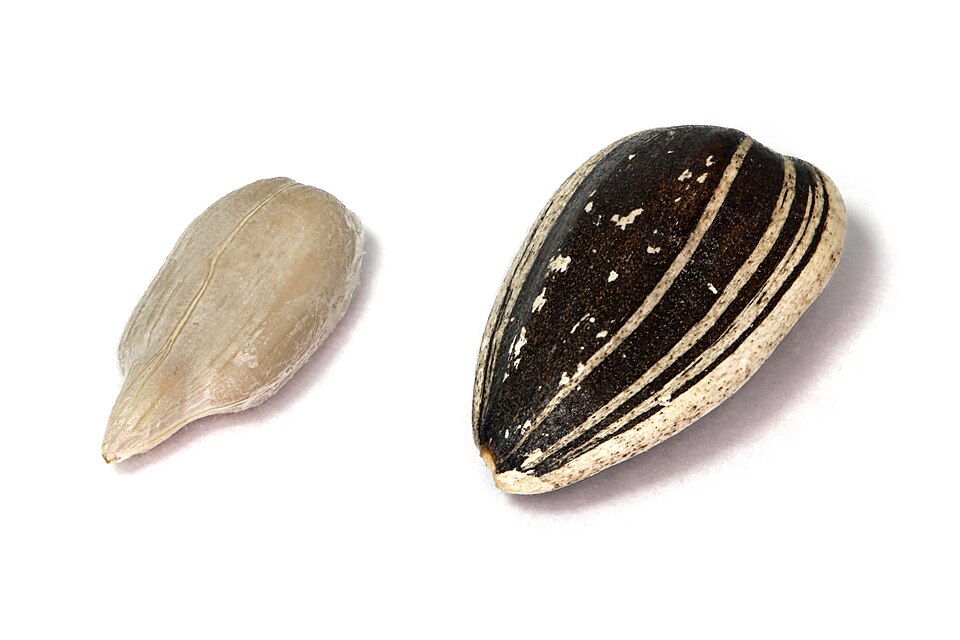
Sunflower seeds (salted)
Helianthus annuus
Plain, hulled, and unsalted sunflower seeds are not directly poisonous to cats, but they are not a recommended treat. The real danger comes from sunflower seeds prepared for humans, which are often heavily salted and may still have their hard, indigestible shells. A cat's body is not designed to handle high levels of salt; in large amounts it can cause salt toxicosis, which shows up mainly as vomiting, lethargy, and neurological signs. The high fat content in seeds can also lead to an upset stomach, including vomiting and diarrhea. Furthermore, the hard outer shells pose a risk of choking or causing an intestinal blockage if swallowed. Old or improperly stored seeds can also grow mold, which is toxic. While a couple of plain, unsalted kernels are unlikely to cause harm, it is safest to keep all sunflower seeds away from your cat. Never let them eat salted seeds or the shells. If your cat ingests a large amount of seeds or shells, monitor them closely and contact a veterinarian for advice.
Important Notes
Not toxic: plain, hulled, unsalted sunflower seeds do not contain cat-specific toxins
Sodium risk: salted sunflower seeds exceed safe sodium levels for cats; even a small handful contains harmful amounts
Hull risk: the hard shell is indigestible and may cause intestinal irritation or blockage if eaten in quantity
High fat content: excessive amounts can contribute to obesity or trigger pancreatitis
A few plain hulled seeds are not dangerous; keep salted or flavoured versions completely away from cats
Disclaimer: This summary was compiled from multiple sources and is for informational use only. It is not a diagnosis or treatment plan. Toxicity can vary based on the substance, amount, plant part, and individual cat. If you think your cat may have been exposed to a toxic substance, contact a veterinarian right away.