
 ←
←
Sugar
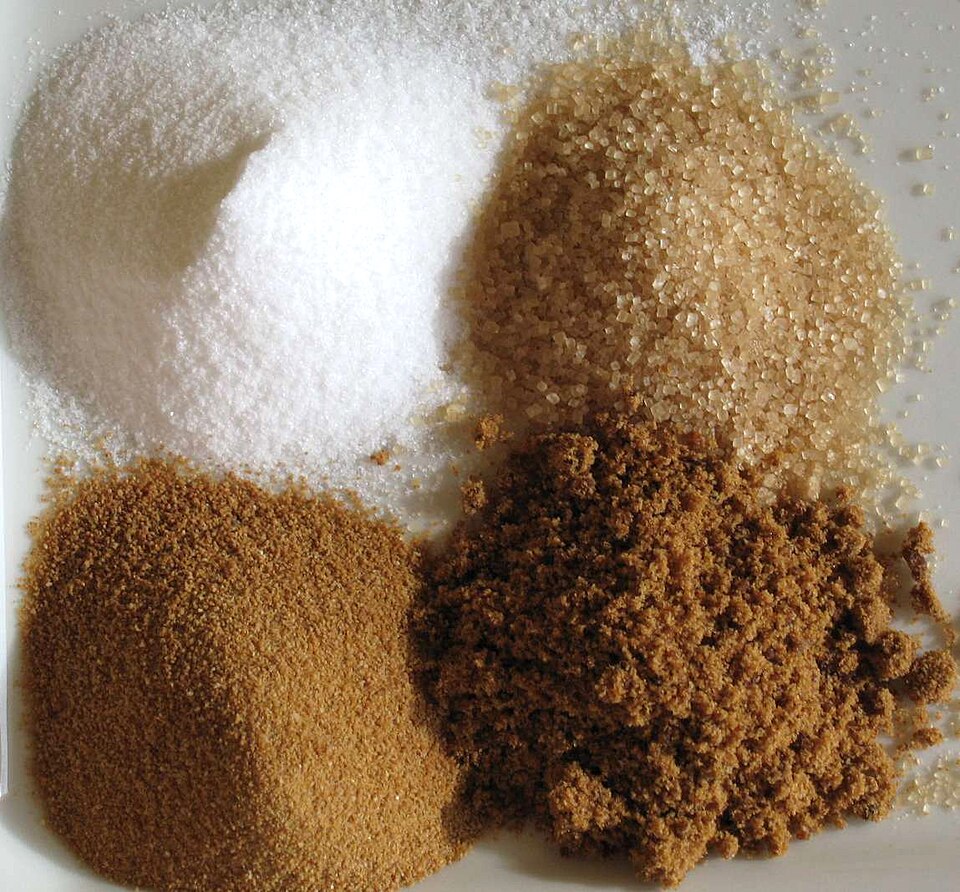
Plain sugar (sucrose) is not directly poisonous to cats, but it offers no nutritional value and can lead to significant long-term health issues. Cats lack the taste receptors to taste sweetness, so they are not naturally drawn to sugary foods. Regular consumption can contribute to obesity, dental problems, and diabetes. The more immediate danger comes from sugar substitutes, particularly xylitol. This artificial sweetener is commonly found in sugar-free products like gum, candy, peanut butter, and baked goods. While xylitol is famously toxic to dogs, causing a rapid insulin release and life-threateningly low blood sugar, cats do not appear to be affected the same way: veterinary sources report that cats are not at risk of xylitol-induced hypoglycemia or liver injury, and experimental doses up to 1,000 mg/kg produced no toxic effects beyond transient drooling. As a sensible precaution, it is still best to keep xylitol products away from cats. While a tiny, accidental taste of plain sugar is not a cause for panic, it's a good practice to keep all sweets away from cats. Always check the labels on 'sugar-free' or 'diet' human foods for xylitol. If you suspect your cat has ingested any product containing xylitol, contact your veterinarian for guidance.
Important Notes
Not toxic in small amounts: cats cannot taste sweetness and rarely seek out sugar voluntarily
Metabolic risk: regular sugar intake causes blood sugar dysregulation, obesity, and diabetes in cats
Dental risk: sugar promotes dental plaque and periodontal disease
Xylitol note: sugar-free products use xylitol instead of sugar — xylitol is severely toxic to dogs, but cats are not at risk of xylitol-induced hypoglycemia or liver injury; keep it away as a precaution and check labels
A tiny accidental taste of plain sugar is not an emergency; keep sugary foods away as a general practice
Possible Symptoms Reported in Cats
Chronic Metabolic Issues (From Regular Sugar)
Endocrine · Chronic (develops progressively over months or years).
Regular refined sugar is not acutely poisonous to cats, but it is an inappropriate food that causes long-term health issues. However
Metabolic
Mild Gastrointestinal Upset (From Artificial Sweeteners)
Gastrointestinal · Varies (typically within a few hours).
Transient Salivation (From Xylitol Exposure)
Gastrointestinal · Shortly after ingestion.
Hypoglycemia and Liver Damage (Theoretical/Precautionary for Xylitol)
Gastrointestinal · Not documented in cats (the 15-30 minute hypoglycemia / up to 12 hour liver-injury window is the canine profile; cats are not at risk per veterinary sources).
Disclaimer: This summary was compiled from multiple sources and is for informational use only. It is not a diagnosis or treatment plan. Toxicity can vary based on the substance, amount, plant part, and individual cat. If you think your cat may have been exposed to a toxic substance, contact a veterinarian right away.