
 ←
←
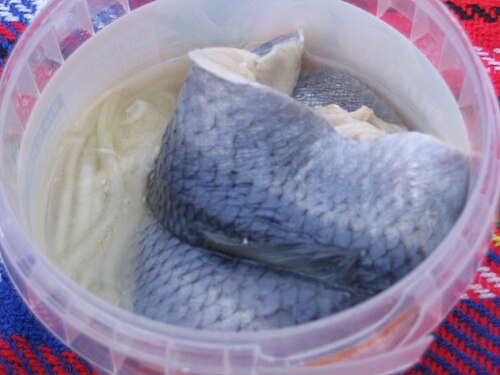
Raw fish
Raw fish
Feeding raw fish to cats can be dangerous because many species contain thiaminase, an enzyme that destroys thiamine (Vitamin B1). Since cats have a very high requirement for this vitamin and cannot store much of it, a diet of raw fish can lead to a life-threatening deficiency within just a few weeks. This deficiency often causes severe neurological problems, including tremors, seizures, and a loss of coordination. Beyond vitamin issues, raw fish often carries harmful bacteria like Salmonella and parasites such as anisakis worms. Larger fish like tuna can also contain concentrated levels of Methylmercury, a neurotoxin that can cause progressive brain damage. To keep your cat safe, always cook fish thoroughly and remove all bones before offering it as an occasional treat.
Important Notes
Thiaminase risk: raw freshwater fish and many saltwater species (tuna, carp, herring) contain thiaminase, which destroys thiamine (B1); regular feeding causes neurological damage — weakness, seizures, head tilt, coma
Bacterial risk: Salmonella, Listeria, and other pathogens in raw fish can cause vomiting, diarrhea, and sepsis
Parasitic risk: raw fish may contain anisakis worms or other parasites that harm the GI tract
Cooked fish (plain, boneless): safe in small amounts; cooking destroys thiaminase and kills pathogens
Bones: raw fish bones can splinter and cause oral or GI injury; always remove bones before offering
Potentially Toxic Parts
Raw form
Flesh
Skin
Possible Symptoms Reported in Cats
Severe Neurological Dysfunction (Ataxia, Seizures, and Ventriflexion)
Neurological · Chronic/Delayed (typically develops within 2 to 4 weeks of a raw fish-heavy diet).
Cardiac Arrhythmias
Cardiac · Late-stage / End-stage of thiamine deficiency.
Gastrointestinal Upset (Vomiting, Diarrhea, and Anorexia)
Gastrointestinal · Variable. Can be acute (within hours to a few days) if caused by foodborne pathogens,
Ocular / Visual Impairment
Neurological · 2 to 4 weeks (manifests rapidly once the thiamine deficiency encephalopathy sets in).
Steatitis (Yellow Fat Disease)
Dermal · Chronic (develops over time from an unbalanced diet).
Based on the sources and our conversation history
Metabolic
Disclaimer: This summary was compiled from multiple sources and is for informational use only. It is not a diagnosis or treatment plan. Toxicity can vary based on the substance, amount, plant part, and individual cat. If you think your cat may have been exposed to a toxic substance, contact a veterinarian right away.