
 ←
←
Pudding
Pudding
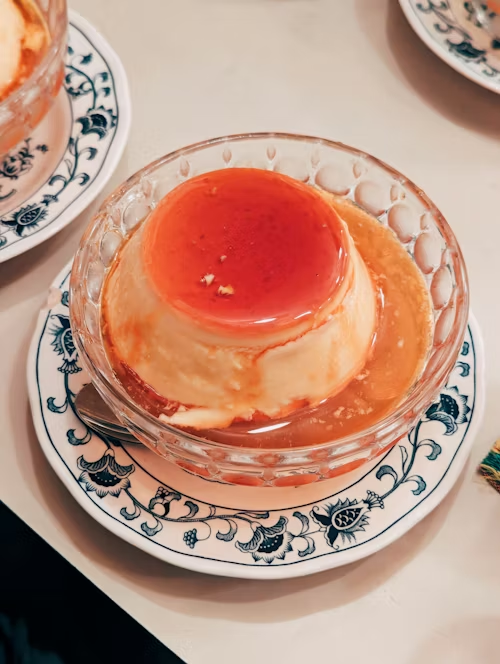
Pudding is a creamy, sweet dessert that is popular with humans but can be quite risky for cats. While a plain, starch-based pudding isn't immediately poisonous, it offers no nutritional value and is packed with sugar that cats don't need. The real danger comes from the extra ingredients used to make different pudding flavors. Chocolate pudding is highly toxic because it contains theobromine, a compound that can cause vomiting, muscle tremors, and heart issues in cats. Sugar-free puddings often use an artificial sweetener called xylitol; while xylitol is extremely dangerous to dogs, current research (ASPCA, Merck, and a peer-reviewed feline study) shows cats are not affected by it and do not develop the hypoglycaemia or liver injury seen in dogs. Additionally, most puddings are made with milk or cream. Once cats grow up, they lose the ability to easily digest lactose (the sugar in milk). Eating dairy-based pudding will likely give your cat an upset stomach, gas, or diarrhea. Because of these hidden dangers, it is best to never give your cat pudding. If your cat gets into chocolate or sugar-free pudding, contact a veterinarian immediately.
Important Notes
Chocolate pudding: TOXIC — contains theobromine; even small amounts can cause vomiting, tremors, and cardiac effects
Sugar-free pudding: xylitol is dangerous to dogs but does NOT affect cats — ASPCA, Merck, and a peer-reviewed feline study confirm cats are not at risk of xylitol-induced hypoglycaemia or liver injury
Dairy-based pudding: causes lactose-related vomiting and diarrhea in most adult cats
Plain starch-based pudding without toxic additives: not toxic, but very high in sugar and provides no nutritional value
Check the ingredient list before assuming a pudding is safe; chocolate exposure requires immediate vet contact
Possible Symptoms Reported in Cats
Restlessness, Muscle Tremors, and Seizures
Neurological · 2 to 12 hours.
Tachycardia and Cardiac Arrhythmias
Cardiac · 2 to 12 hours.
Hypoglycemia and Liver Failure (Theoretical / Rare in Cats)
Gastrointestinal · 15 to 30 minutes for a drop in blood sugar; 1 to 3 days for signs of liver injury
Pancreatitis
Gastrointestinal · Progressive (can develop hours to days after consuming a high-fat meal).
Gastrointestinal Upset (Diarrhea and Vomiting)
Gastrointestinal · Within a few hours (typically 8 to 12 hours for diarrhea to peak).
Vomiting, Diarrhea, and Increased Thirst
Gastrointestinal · 2 to 12 hours.
Disclaimer: This summary was compiled from multiple sources and is for informational use only. It is not a diagnosis or treatment plan. Toxicity can vary based on the substance, amount, plant part, and individual cat. If you think your cat may have been exposed to a toxic substance, contact a veterinarian right away.