 ←
←
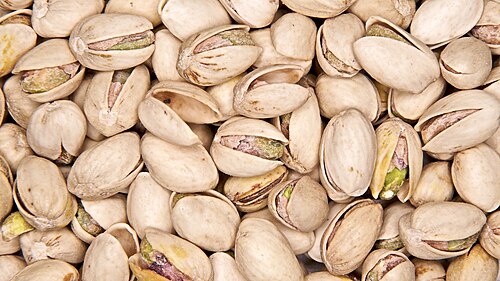
Pistachios
Pistacia vera
Pistachios do not contain a specific poison that targets cats, but they are still an unhealthy and potentially unsafe snack. Nuts are naturally packed with fats that a cat's digestive system struggles to break down. Eating pistachios can cause indigestion and diarrhea, and regularly eating fatty foods can trigger pancreatitis, a painful inflammation of the pancreas. Another major risk comes from how pistachios are prepared and stored. Store-bought pistachios are almost always covered in salt, which puts dangerous stress on a cat's kidneys. Furthermore, if pistachios are improperly stored and develop a green tinge, they might be contaminated with mold. This mold can produce tremorgenic mycotoxins, which are fungal poisons that cause muscle tremors and seizures. While eating a single plain, unsalted pistachio will likely not harm your cat, it is best to avoid them entirely. Keep all nuts out of reach, especially salted human snacks. If your cat eats moldy pistachios or shows any signs of shaking or stomach upset, contact a veterinarian.
Important Notes
Not acutely toxic: no known cat-specific toxic compound in plain pistachios
Fat risk: high fat content can cause pancreatitis, especially with regular feeding
Sodium risk: salted pistachios contain harmful amounts of sodium for cats
Mould risk: green-tinged or improperly stored pistachios may contain tremorgenic mycotoxins — these cause tremors and seizures
A single pistachio nut (plain, unsalted) is unlikely to cause harm; regular feeding or large amounts warrant vet contact
Potentially Toxic Parts
Skin
Entire food
Shell
Powder
Possible Symptoms Reported in Cats
Renal Stress / Increased Kidney Burden
Renal · Chronic (effects compound over time with repeated ingestions).
Indigestion and Diarrhea
Gastrointestinal · Within a few hours of ingestion.
Disclaimer: This summary was compiled from multiple sources and is for informational use only. It is not a diagnosis or treatment plan. Toxicity can vary based on the substance, amount, plant part, and individual cat. If you think your cat may have been exposed to a toxic substance, contact a veterinarian right away.