 ←
←
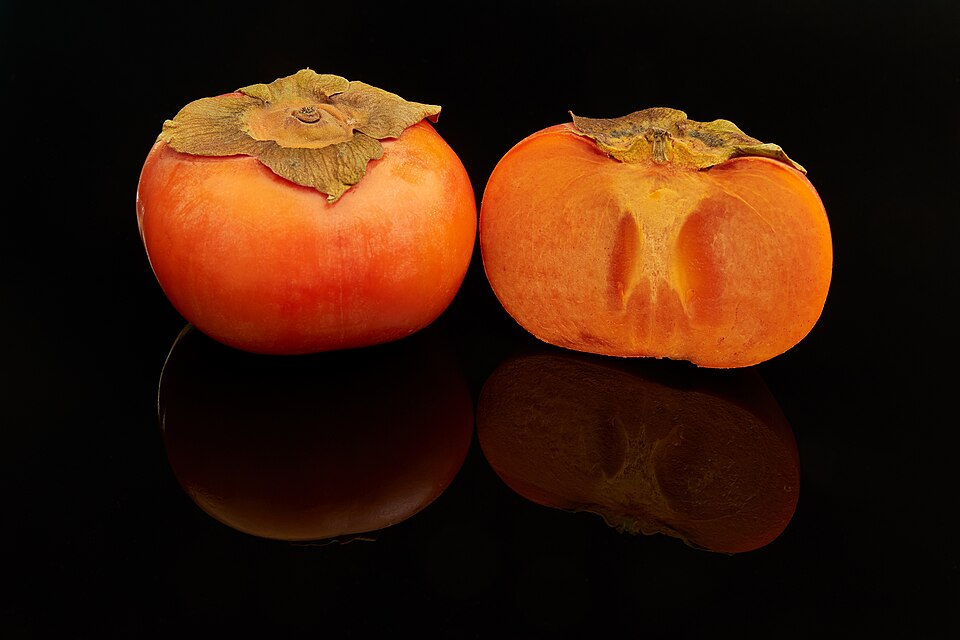
Persimmons
Diospyros
Persimmons are not highly toxic to cats, but they come with several health and safety risks. The main concern is the seeds and skin, which are hard and indigestible and can cause choking or a gastrointestinal blockage if swallowed. This is a mechanical hazard, not chemical poisoning. Unripe persimmons are especially bad for cats because they are packed with tannins. Tannins are bitter chemicals that can severely irritate a cat's stomach, leading to vomiting, diarrhea, and intestinal inflammation. Even when the fruit is fully ripe, the flesh is very high in sugar and does not provide any nutrients that a cat needs. A tiny taste of ripe, seedless persimmon flesh is unlikely to hurt your cat, but it should not be a regular treat. Always make sure to completely remove the seeds before letting your cat near the fruit. If your cat swallows a seed or eats an unripe persimmon and shows signs of stomach pain or vomiting, contact a veterinarian.
Important Notes
Seeds and skin: hard and indigestible — choking and gastrointestinal blockage hazard; remove before offering any flesh
Unripe persimmons: very high tannin content causes severe GI irritation — vomiting, diarrhea, and possible intestinal inflammation
Ripe flesh: safe in very small amounts but high in sugar; no nutritional benefit for cats
Tannins can also cause intestinal obstruction by binding digestive proteins in large quantities
A tiny taste of ripe, seedless flesh is unlikely to cause harm; avoid making it a regular treat
Potentially Toxic Parts
Pit
Seed
Skin
Possible Symptoms Reported in Cats
Intestinal Obstruction
Gastrointestinal · Varies (typically develops over hours to a few days)
Disclaimer: This summary was compiled from multiple sources and is for informational use only. It is not a diagnosis or treatment plan. Toxicity can vary based on the substance, amount, plant part, and individual cat. If you think your cat may have been exposed to a toxic substance, contact a veterinarian right away.