
 ←
←
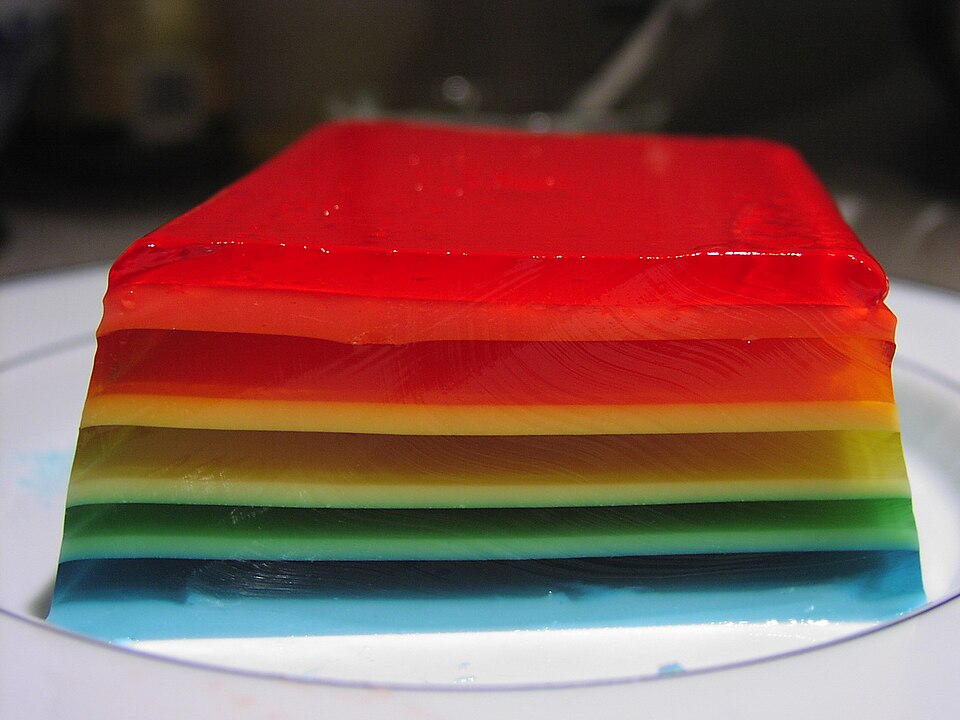
Jelly
Jelly and jam are not appropriate cat food, but they are generally not acutely toxic to cats. Jelly is high in sugar, and cats are obligate carnivores not built to handle it, so the most common reaction is stomach upset. Unlike in dogs, xylitol (the sweetener in many sugar-free products) does not appear to be toxic to cats — studies and poison-control authorities report cats are not affected by it. Processed grape products such as grape jelly, juice, and wine have not been linked to poisoning, likely because processing removes most of the tartaric acid that makes whole grapes and raisins dangerous. As a precaution, however, whole grapes, raisins, and currants should still be kept away from cats. If your cat eats jelly or jam, watch for vomiting or loose stools. Call a veterinarian or pet poison helpline if your cat ate jelly containing whole grapes, raisins, or currants, if it ate a large amount, or if you are not sure what was in it.
Important Notes
Regular sugary jelly: not acutely toxic but very high in sugar — avoid; it is not appropriate food for cats and can cause stomach upset
Sugar-free (xylitol) jelly: xylitol is not toxic to cats (unlike dogs); the false hypoglycaemia/liver-failure alarm does not apply to cats
Processed grape jelly: not associated with poisoning — processing removes most of the tartaric acid that makes whole grapes toxic
Whole grapes, raisins, and currants: keep away from cats as a precaution; their tartaric acid can cause kidney injury and no safe dose is established
Contact your vet if your cat eats jelly made with whole grapes, raisins, or currants, or if it eats a large amount
Potentially Toxic Parts
Whole grape, raisin, or currant content (if present)
Possible Symptoms Reported in Cats
Acute kidney injury from whole grapes, raisins, or currants (precaution; not from processed grape jelly)
Gastrointestinal · Vomiting usually occurs within 6 to 12 hours of ingestion;
Gastrointestinal Upset (From High Sugar/Carbohydrates)
Gastrointestinal · Within a few hours.
Vomiting or loose stools from sugary jelly (most common reaction)
Gastrointestinal
Transient Salivation (From Xylitol in Sugar-Free Jelly)
Gastrointestinal · Shortly after ingestion.
Hypoglycemia / liver effects from xylitol — does NOT apply to cats (a dog risk only)
Gastrointestinal · 15 to 30 minutes for a drop in blood sugar (though it can be delayed if the product digests slowly);
Disclaimer: This summary was compiled from multiple sources and is for informational use only. It is not a diagnosis or treatment plan. Toxicity can vary based on the substance, amount, plant part, and individual cat. If you think your cat may have been exposed to a toxic substance, contact a veterinarian right away.